How Knee Surgery Can Improve Your Quality of Life

Knee pain can be debilitating, affecting your ability to perform daily activities and diminishing your overall quality of life. Whether due to injury, arthritis, or other degenerative conditions, many individuals find themselves limited by knee discomfort. Fortunately, knee surgery can offer a solution, restoring mobility and alleviating pain. In this blog post, we will explore how knee surgery can significantly enhance your quality of life, the types of surgeries available, and what to expect during recovery.

Understanding Knee Pain
Knee pain can arise from various causes, including:
Injuries: Sports injuries, falls, or accidents can lead to ligament tears, fractures, or cartilage damage.
Arthritis: Osteoarthritis and rheumatoid arthritis are common conditions that cause joint inflammation and pain.
Overuse: Repetitive activities can lead to wear and tear on the knee joint.
Understanding the root cause of your knee pain is crucial for determining the appropriate treatment.
When to Consider Knee Surgery
Not every case of knee pain requires surgery. However, if you experience persistent pain that does not improve with conservative treatments such as physical therapy, medications, or injections, it may be time to consider surgical options. Signs that surgery might be necessary include:
Severe pain that limits daily activities
Swelling that does not subside with rest or medication
Instability in the knee joint
Loss of range of motion
Consulting with an orthopedic specialist can help you evaluate your condition and determine if surgery is the right choice.
Types of Knee Surgeries
There are several types of knee surgeries, each designed to address specific issues. Here are some of the most common procedures:
Arthroscopy
Knee arthroscopy is a minimally invasive procedure where a small camera is inserted into the knee joint. This allows the surgeon to diagnose and treat various conditions, such as:
Meniscus tears
Cartilage damage
Loose bodies in the joint
Partial Knee Replacement
In cases where only one compartment of the knee is damaged, a partial knee replacement may be performed. This procedure involves replacing the damaged portion of the knee while preserving the healthy bone and cartilage.
Total Knee Replacement
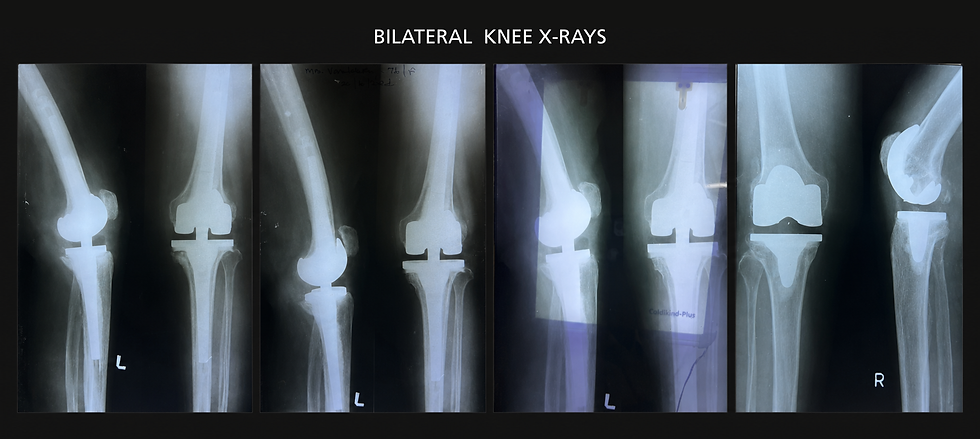
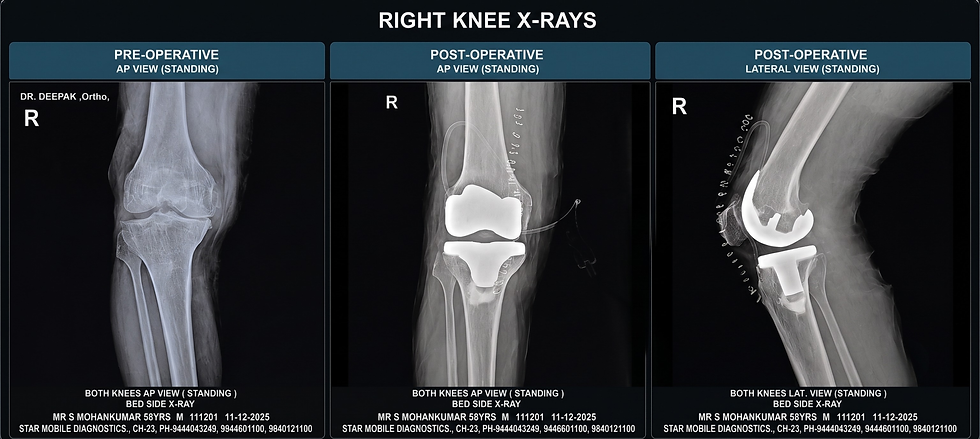
Total knee replacement is recommended for individuals with severe arthritis or extensive damage to the knee joint. During this procedure, the damaged joint surfaces are removed and replaced with artificial components. This surgery can significantly reduce pain and improve mobility.
Osteotomy
Osteotomy is a procedure that involves reshaping the bones around the knee to relieve pressure on the joint. This is often recommended for younger patients with early-stage arthritis.
Benefits of Knee Surgery
Knee surgery can lead to numerous benefits that significantly enhance your quality of life:
Pain Relief
One of the most immediate benefits of knee surgery is pain relief. Many patients report a dramatic reduction in pain levels following surgery, allowing them to return to activities they once enjoyed.
Improved Mobility
After surgery, patients often experience improved range of motion and mobility. This can lead to a more active lifestyle, which is essential for overall health and well-being.
Enhanced Quality of Life
With reduced pain and increased mobility, many individuals find that their overall quality of life improves. They can engage in social activities, exercise, and enjoy time with family and friends without the limitations imposed by knee pain.
Long-Term Results
Many knee surgeries, particularly total knee replacements, have long-lasting results. Studies show that patients can expect their new knee to last 15 years or more, providing sustained relief and improved function.
What to Expect During Recovery
Recovery from knee surgery varies depending on the type of procedure performed. However, there are some common elements to expect:
Initial Recovery
Hospital Stay: Most knee surgeries require a short hospital stay, typically ranging from one to three days.
Pain Management: Pain management is crucial during the initial recovery phase. Your doctor will prescribe medications to help manage discomfort.
Rehabilitation
Physical Therapy: Engaging in physical therapy is essential for regaining strength and mobility. A physical therapist will guide you through exercises tailored to your recovery.
Gradual Return to Activities: You will gradually increase your activity level, starting with gentle movements and progressing to more strenuous exercises as your knee heals.
Long-Term Care
Follow-Up Appointments: Regular follow-up appointments with your surgeon will ensure that your knee is healing properly.
Lifestyle Adjustments: Adopting a healthy lifestyle, including maintaining a healthy weight and staying active, can help prolong the life of your knee joint.
Real-Life Success Stories
Many individuals have experienced life-changing results after knee surgery. Here are a few inspiring stories:
John’s Journey
John, a 55-year-old avid golfer, struggled with knee pain for years due to arthritis. After consulting with his orthopedic surgeon, he opted for a total knee replacement. Post-surgery, John was able to return to the golf course within three months, enjoying pain-free swings and improved mobility.
Maria’s Transformation
Maria, a 42-year-old runner, faced a meniscus tear that sidelined her from her favorite sport. After undergoing arthroscopy, she was back on the track within weeks. Maria credits her surgery with not only restoring her running ability but also enhancing her overall fitness and well-being.
Conclusion
Knee surgery can be a transformative experience, offering significant improvements in pain relief, mobility, and overall quality of life. If you are struggling with knee pain that limits your daily activities, consider consulting with a healthcare professional to explore your options. Remember, taking the first step towards surgery could lead to a more active, fulfilling life. Don't let knee pain hold you back any longer; take charge of your health and well-being today.

Comments